Charging Habits and Trip Planning for Electric Shared Cars
Using an electric car-sharing vehicle differs from driving a petrol car, and battery charge is a key factor in completing your journey smoothly. Understanding the vehicle's basic characteristics, how to check the remaining charge, and how to schedule charging around your trips will help you plan your travel with more confidence. This article explains each of these considerations in turn for your reference.
By: 共駕 Editorial Team Published Reading time: about 8 min
Basic Characteristics of Electric Car-Sharing Vehicles
Electric car-sharing vehicles are powered by batteries, so their driving range depends on the charge stored in the battery. Unlike petrol cars, electric vehicles generally take considerably longer to replenish energy, so the charge level before and after use deserves special attention. Battery capacity and energy consumption differ between models, and the actual range of the same vehicle can also vary with road conditions and weather. Before choosing a vehicle, users should check the charge level and estimated range information provided in the app or vehicle details.
Shared electric cars are usually billed by the period of use, and the change in battery level during your trip directly affects the experience of the next user. If a vehicle's remaining charge is low, extra charging may be needed or you may have to switch to another vehicle. Understanding how electric cars basically work therefore helps you make the right call before setting off. You can also check the service platform's instructions to learn the battery requirements and fee arrangements of each service.
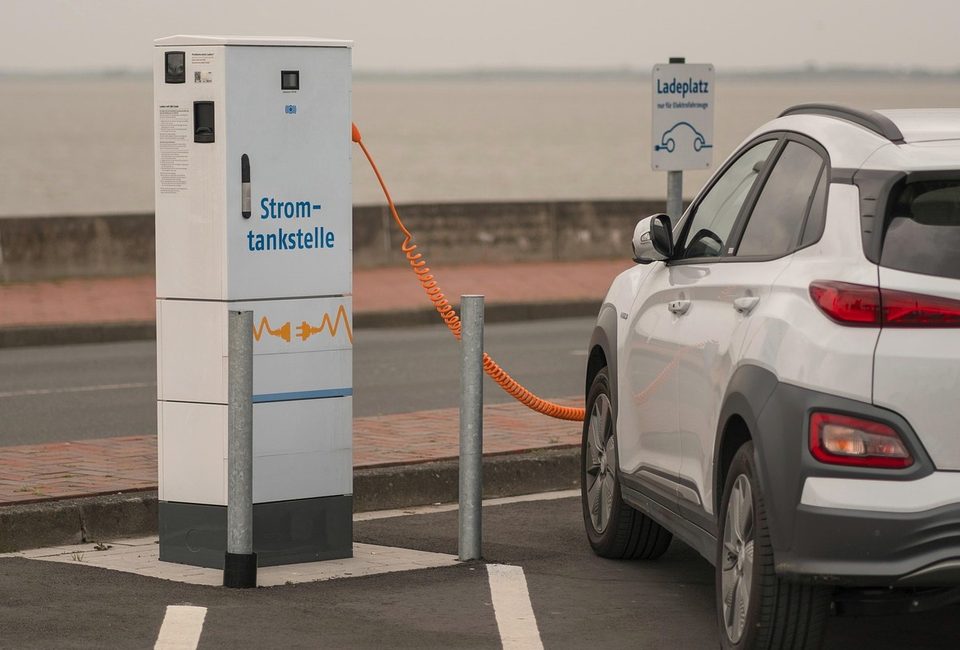
How charging facilities and vehicle allocation are distributed for electric car sharing varies by district and by service operator. Before you use a car, check whether charging facilities are located near the pick-up and drop-off points, and how charging works. A sound basic understanding can reduce the inconvenience caused by battery problems during a trip.
How to check the remaining charge
Checking the remaining charge before you drive is a basic step in ensuring a smooth trip. Most shared electric car platforms display the remaining battery percentage and the estimated driving range on the vehicle details page of their app. Users should also check whether this figure matches the actual distance driven, as estimates can be affected by road conditions, temperature and driving style. If the displayed information differs noticeably from what you expected, contact the platform's customer support before starting your trip.
When you pick up a car, you can also check the battery display on the in-car dashboard, and confirm it again after switching the vehicle on. If the charge is not enough to complete your planned trip, consider changing vehicles or adjusting your route. Confirming the charge early is safer than discovering a problem halfway through. In addition, some vehicles issue a warning when the charge drops below a certain level; users should understand what the warning means and respond to it in good time.
Because charge estimates change with actual usage, it is advisable to keep a margin of safety. Consumption can rise noticeably when temperatures are low and the heating is on, or when driving on mountain roads. Treating the battery level as information to be monitored continuously, rather than checking it only once at pick-up, helps you judge more accurately whether a trip is feasible.
- Check the remaining charge and estimated range in the app before pick-up
- Confirm the battery reading on the dashboard again after switching the vehicle on
- Compare the estimated driving range with the actual mileage of your planned trip
- Mind how temperature, road conditions and air-conditioning use affect consumption
- If the charge is low, contact the platform early or switch to another vehicle
Planning charging around your trip
Battery level should be an important consideration when planning a trip. When arranging a car, first estimate the total mileage of the trip, compare it with the vehicle's estimated range, and leave a sufficient margin. If the trip includes several destinations or long stops, check in advance whether charging facilities are available along the way, so the battery does not run out midway.
As for timing, if your planned return time is close to the next user's booking, consider whether the car needs charging before you return it. Some services set battery requirements for returns, so users should learn the relevant terms before driving. Arranging the return time and charging window carefully both keeps you within the rules and lets the next user pick up the car without trouble.
For longer trips, you may also consider splitting the usage period into segments or scheduling a short charge midway. Charging time varies with the power of the charging facility, so allow time according to the actual situation. Overall, planning charging as part of the trip makes your car arrangements more thorough and helps reduce the inconvenience of last-minute changes.
Charging requirements when returning the car
The charging requirements for returns are usually set out in the terms of each shared car service, so read them carefully before use. Many services require the vehicle to keep a certain remaining charge when it is returned, or to be parked in a designated charging bay, so that the next user can drive it smoothly. Failing to meet these requirements may lead to extra fees or be treated as a breach of the terms of use. When planning your trip, therefore, leave enough time to reach a charging facility, and check in the app whether the return location has a charging point.
Before returning the vehicle, check the battery level and range shown in the app again and compare them with the requirements listed in the terms. Some services prompt users to charge before ending a trip; following the prompt helps avoid unnecessary charges. If the car is parked at a charging station, make sure the charging cable is properly connected and complete the relevant confirmation steps in the app so the trip ends correctly. If a charging facility is temporarily unavailable, look for alternatives through the service's channels as soon as possible.
If you have questions about return requirements, the safest approach is to read the terms carefully before renting, or ask the service provider directly. Paying attention to details such as charging windows, parking areas and minimum charge levels reduces the chance of disputes at return. Getting into the habit of planning ahead makes every return more stress-free and helps the next user receive a car that is ready to drive.
Responding to low battery
When the battery is low, first confirm whether the remaining range is enough to reach your destination or the nearest charging facility. The app usually shows nearby available charging points and their status, and you should prefer the closest reliable location. If the remaining charge is close to the minimum, slow down early and reduce the use of power-hungry features such as air conditioning and the sound system to extend your range. If you cannot be sure of reaching a location safely, contact the service provider for help promptly instead of risking further driving.
While waiting for roadside assistance or heading to a charging point, keep the vehicle parked in a safe place that does not obstruct traffic, and switch on the hazard warning lights. Do not linger on the road or attempt to push the vehicle because the battery is low, as this may create a hazard. Some services arrange roadside assistance or towing, and the contact details are usually provided in the app or in the vehicle documents. If the trip is delayed as a result, keep the relevant records in accordance with the terms of service so they can be checked later.
To reduce the chances of running low on charge, users can check the battery level before setting off and leave a sufficient margin for the trip. For longer journeys or uncertain routes, it is advisable to plan charging stops along the way in advance. If you often find yourself in difficulty with low battery, consider switching to other modes of transport or adjusting when you use the car so your trips have more flexibility.
- Check the battery level and remaining range before setting off
- Leave enough remaining charge for your trip
- Keep an eye out for nearby charging points along your route
- Cut back on power-hungry features when the battery is low
- Contact the service provider early if you run into problems
Driving habits that reduce energy consumption
Good driving habits that reduce energy consumption can help extend the range after each charge and lessen your reliance on charging arrangements during use. Smooth acceleration and gentle deceleration are generally more energy-efficient than sudden acceleration and hard braking. Maintaining an appropriate speed and avoiding prolonged high-speed driving also helps save power. In addition, electric vehicles can usually recover some energy through regenerative braking when going downhill or slowing down, so making good use of this feature can make driving smoother.
In everyday driving, also make sure your tyre pressure is correct, as under-inflated tyres increase rolling resistance and speed up energy consumption. Avoid carrying unnecessary heavy loads where possible, and in cold weather, use seat heating in preference to running the full cabin heater for long periods to reduce energy use. Route planning also affects energy consumption: choosing roads with smoother traffic flow reduces the number of frequent stops and restarts.
These habits take continuous practice to form, so users are advised to review the energy consumption data shown in the app after each trip and gradually find a driving style that suits them. Once you are familiar with the characteristics of the vehicle, you can estimate the energy needed for a trip more accurately and plan charging and return times more effectively.
Key takeaways
-
Check before charging Before setting off and before returning the vehicle, check the remaining charge and range shown in the app, and leave a sufficient margin.
-
Act early when the battery is low When the battery is low, go to the nearest reliable charging point first, or seek assistance through the service channels, and do not take the risk of continuing to drive.
-
Build energy-saving driving habits Driving smoothly, making good use of regenerative braking and keeping tyre pressure correct can help extend range and reduce the number of charges needed.
This article provides general information only and does not constitute professional advice.