Shared Car Insurance: What It Covers and What to Read First
When using a shared car, insurance is an important part of understanding how risk is allocated. Policies vary between platforms and insurance arrangements, so knowing your coverage, the lines of liability and the exclusions helps you make clear decisions before you drive. This article walks through the main elements of insurance and the questions to ask as you read the terms.
By: 共駕 Editorial Team Published Reading time: about 8 min
The Typical Coverage of Car Sharing Insurance
Car sharing insurance is usually arranged by the platform or an insurer for the vehicle during your rental, with the aim of defining each party's liability if an accident occurs. Generally, coverage includes bodily injury and property damage to third parties arising from the driver's conduct, and may also include damage to the vehicle itself. However, the specific coverage is not the same on every platform: some offer only basic third-party liability, while others add more comprehensive vehicle damage protection.
When reading the terms, first confirm who provides the insurance and whether it covers the vehicle, the driver or the period of use. Some arrangements apply only during certain hours, and others require the user to meet a minimum driving qualification. Without understanding these conditions, you may face restrictions when making a claim even if the policy looks comprehensive. Grasping the basic framework of coverage is therefore the starting point for reading the rest of the terms.
You should also note the coverage limit stated in the policy. The limit is the maximum amount the insurer will pay for a single incident; any amount above it is usually borne by the user or another liable party. It is advisable to record the coverage and limit together and compare them with the risks of your typical trips, to judge whether the existing protection is sufficient for what might happen.
The Difference Between Third-Party Liability and Vehicle Damage
Third-party liability and vehicle damage are the two types of protection most often mentioned in car sharing insurance, and they differ in nature. Third-party liability covers damage the user causes to others' persons or property while driving, with the purpose of protecting the injured third party. Vehicle damage covers damage to the rented car itself, whether from a collision, scratches or other incidents, and may be compensated if it falls within the situations listed in the terms.
Because the two cover different parties, their calculation methods and claims procedures also differ. Third-party liability is usually based on the other party's loss, and the insurer must assess the proportion of responsibility; vehicle damage is generally based on repair costs or the vehicle's valuation. When reading, check the terms for each separately so that you do not confuse them and misunderstand the scope of coverage.
In addition, some policies list vehicle damage separately from theft, fire and similar events, each with its own conditions. If you focus only on collision coverage and overlook other risks, you may find the protection insufficient in an actual situation. It is therefore advisable to check each category listed in the policy one by one, confirming which events are covered and which require separate arrangements.
Understanding Excess and Out-of-Pocket Costs
The excess is the portion of a claim that the user must first bear, with the insurer paying only the amount above it. The excess helps keep insurance premiums under control, but it also means small losses often have to be covered by the user. When reading the policy, confirm whether the excess applies per incident or is cumulative over the year, as the two can make a significant difference to what you actually pay.
Out-of-pocket costs are another concept to watch, as they may include charges beyond the excess, such as the repair difference or towing fees that the user must pay in certain situations. Some terms adjust the amount payable depending on the vehicle model, type of accident or driver's circumstances. Look through the terms for every situation that could create out-of-pocket costs, rather than focusing on a single figure.
The best way to understand the excess and out-of-pocket costs is to calculate them item by item against hypothetical scenarios. For example, imagine a minor scratch and compare how much you would have to pay yourself under the policy wording. This approach gives a clearer picture of your actual burden and helps you judge whether the coverage suits your personal risk tolerance.
- Check whether the excess applies per incident or per year
- Note whether other out-of-pocket costs apply and when
- Check whether vehicle model or driving experience affects the amount you pay
- Work through hypothetical scenarios to calculate your real cost
Liability Boundaries During Your Rental
Liability boundaries during your rental are usually determined by the start and end times of the rental and by the place and condition in which the vehicle is returned. During the rental period, the renter is responsible for the use, parking and day-to-day care of the vehicle, and the insurance terms generally set out the details. If the vehicle is damaged during use, the insurer will first establish when the incident occurred, who was driving and the condition of the vehicle, and then decide where responsibility lies. When reading the terms, pay attention to how the start and end of the rental are defined, and to the inspection procedures before and after the vehicle is returned.
Different platforms set their liability boundaries in different ways. Some require the renter to take photos of the vehicle's condition when picking it up and to confirm it again after returning it; others state that once the vehicle is returned to a designated location, responsibility is deemed to have passed. These details directly affect how liability is judged after an accident, so we recommend reviewing the relevant guidelines before renting to make sure you know exactly when your responsibility begins and when it ends.
If a renter fails to lock the doors or switch off the power, or leaves personal belongings behind when returning the vehicle, this may affect insurance claims and could lead the platform to take further action. On the other hand, if the vehicle is damaged by someone else during the rental period, the renter should note the time and location straight away and report it according to the platform's instructions. Being clear about these boundaries helps avoid unnecessary disputes over liability later on.
- The time and location of pick-up and return should be based on the platform's records.
- Take photos of the vehicle's condition both before pick-up and after return as a record.
- Before leaving the vehicle, make sure the doors are locked and the power is switched off.
- Check the platform's requirements on left-behind items and interior cleanliness.
- Report any vehicle abnormality to the platform immediately.
Exclusions in the Terms
The exclusions in the terms are an essential part of understanding your insurance coverage. Generally, insurers list situations that fall outside the scope of protection, such as the driver not meeting the platform's driving eligibility requirements, using the vehicle where prohibited, using it for purposes the terms forbid, or losses caused by intentional acts. These clauses are often found toward the end of the terms, so read them item by item and do not assume every situation is covered.
Another common category of exclusions concerns items inside the vehicle and certain parts of the car. For example, loss or damage to personal belongings is usually not covered under vehicle damage insurance; wear and tear to wheels, tyres or interior trim may be regarded as normal depreciation and not compensated. In addition, if the vehicle was undergoing unauthorised modifications at the time of an accident, or the driver had been drinking or taken substances that impair driving ability, the insurer may also refuse a claim. Understanding these exclusions therefore helps you assess your own risk.
The exclusions work together with the other protection clauses, so the terms should be read as a whole rather than looking at a single paragraph alone. If you have any doubt about a particular exclusion, first review the definitions section of the terms, then contact the platform or insurer for clarification. A clear understanding helps reduce the confusion caused by misreading the terms after an accident and helps users make choices better suited to their needs.
Steps to Take After an Accident
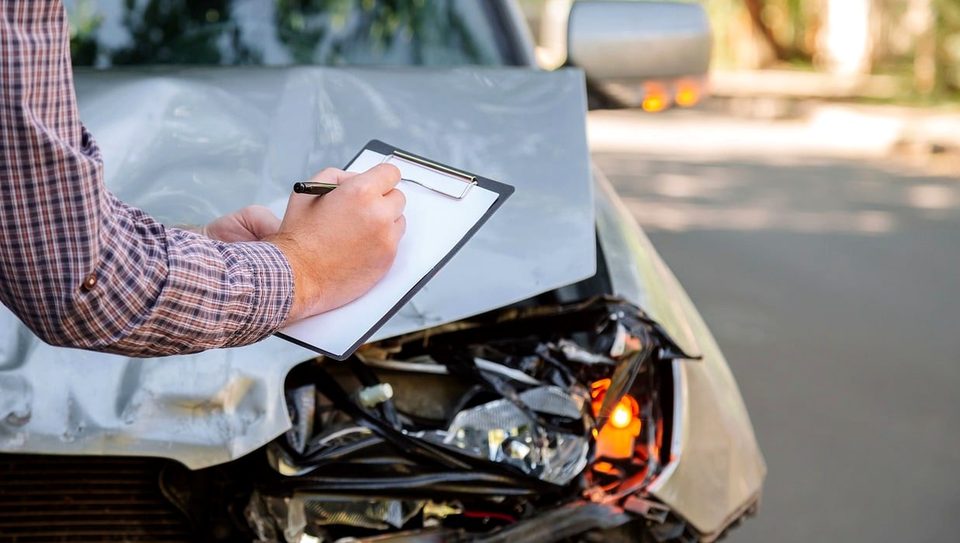
After an accident, the first priority is to ensure everyone's safety and, where appropriate, notify the police and rescue personnel. Provided it is safe to do so, record the scene, including the vehicle's position, the damaged areas, road conditions, and the details of the other vehicles and people involved. Taking photos and keeping evidence will help with the claims process later. If anyone has been injured, seek medical assistance as soon as possible and keep the related diagnosis and billing records.
Once the scene has been dealt with, report the accident following the platform's prescribed procedure. Generally, the platform will ask you to complete an accident report describing what happened and to submit photos, videos or other documents. The report should be truthful and specific, avoiding guesswork or omitting important facts. If a third party is involved, keep a record of all communications with them. Also pay attention to reporting deadlines so that delays do not affect the progress of your claim.
A claim usually requires you to submit the policy or rental record, the vehicle inspection report, repair estimates and other supporting documents together. The insurer will review these materials and may sometimes ask for additional information or arrange an on-site inspection. Throughout the process, keeping complete communication records and replying promptly helps the claim proceed smoothly. If you disagree with the outcome of the review, you may apply for reconsideration through the procedure set out in the terms, or seek professional advice.
Key takeaways
-
Coverage The scope of coverage for car-sharing insurance varies by policy, so check each covered item and its conditions carefully when reading the terms.
-
Liability Pick-up, return and vehicle-condition records during the rental period are key evidence in determining liability.
-
Accident Handling After an incident, first ensure safety and preserve evidence, then report it and apply for a claim following the procedures set out by the platform and the insurance terms.
This article provides general information only and does not constitute professional advice.